
[ad_1]
It’s so common that people disconnect from their bodies during the holidays. But staying connected doesn’t mean eating perfectly or resisting everything comforting. It means honoring your body’s cues even when life gets busy or emotions run high.
Holiday eating is rarely just about food. It’s about memories, traditions, family dynamics, fun, stress, joy, grief, celebration, connection, and social pressure—all happening at once.
This guide shares practical mindful-eating strategies to help you navigate the holidays with more ease.
Why Holiday Eating Feels So Different
The holidays change nearly every variable that impacts how we eat:
- irregular schedules
- travel
- richer foods
- social pressure
- emotional triggers
- disrupted routines
- lack of sleep
- increased stress
These factors elevate cortisol, can disrupt digestion, and intensify food noise, especially if you’ve been dieting for decades. There is nothing wrong with you — your body is just responding to a new or out-of-the-ordinary environment.
Stay Connected With Meal Consistency
The biggest mistake people make during the holidays is skipping meals to “prepare” for a big dinner.
This creates:
In addition to the above list, this act of skipping meals in order to prepare for the “big” meal perpetuates the dieting cycle of making up for food, feeling guilty around your food choices, and the need to get it “right”.
The goal: anchor meals every 3–4 hours, which stabilizes hunger hormones and improves appetite regulation. This serves as a great baseline and guideline to follow.
Add a Grounding Ritual Before the Meal
A calm nervous system improves digestion, fullness, and decision-making.
Try one of these:
- five slow breaths
- feeling your feet on the floor
- unclenching jaw/shoulders
- pausing before reaching for the plate
This shifts you out of fight-or-flight and into regulation.
Build a Balanced Holiday Plate (Without Rules)
Use the Foundational Five as a flexible guide—not a rigid plan.
Holiday food traditions are incredibly diverse, and your mindful eating practice should honor the meals that matter to you. The goal isn’t to perfect your plate—it’s to create one that keeps you grounded, satisfied, and connected to your body.
Use the Foundational Five as a flexible framework across any holiday celebration.
Protein (the anchor of your plate)
- Roasted turkey
- Glazed ham
- Braised beef or brisket
- Roasted chicken
- Smoked salmon or baked fish
- Lamb chops or lamb roast
- Tofu steaks or baked tofu
- Lentil loaf or lentil patties
- Stuffed vegetables with grains/legumes
- Chickpea-based dishes
Carbohydrates (comfort + steady energy)
- Mashed potatoes
- Stuffing or dressing
- Rice pilaf or seasoned rice
- Basmati or jasmine rice
- Noodles (soba, egg noodles, or long noodles)
- Gnocchi
- Dinner rolls or sweet bread
- Cornbread
- Plantains
- Couscous or bulgur
Vegetables (fiber + micronutrients)
- Roasted root vegetables
- Green beans or green bean casserole
- Sautéed greens (spinach, kale, collards)
- Cabbage rolls
- Roasted Brussels sprouts
- Squash or pumpkin dishes
- Simple herb salads
- Pickled vegetables
- Steamed broccoli or mixed vegetables
- Carrot or beet salads
Fats (satiety + flavor)
- Olive oil drizzles
- Butter or ghee
- Avocado slices
- Tahini or sesame-based sauces
- Nut-based toppings (almonds, pecans, pistachios)
- Cheese or yogurt-based sauces
- Pesto or herbed oil
- Olives
- Walnut or pine nut garnish
Flavor Factor (pleasure + satisfaction)
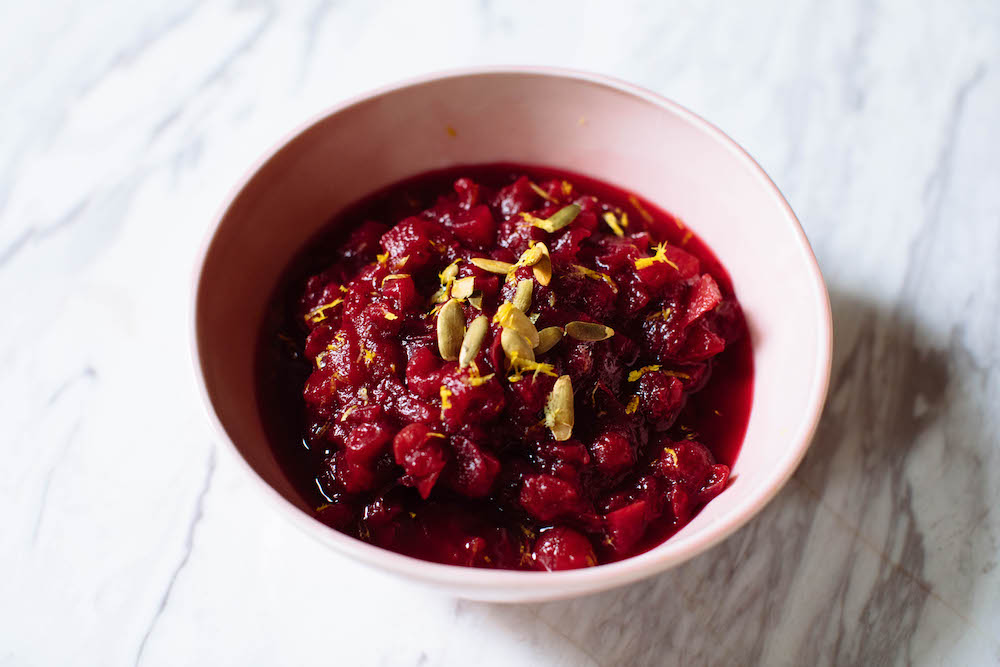
- Cranberry sauces or fruit relishes
- Herb dressings
- Chutneys
- Ginger-garlic sauces
- Citrus zest or wedges
- Spiced sauces or gravies
- Chimichurri
- Pickles
- Fresh herbs (parsley, cilantro, dill, basil)
- Spice blends (warming spices, garlic blends, holiday spice mixes)
No scarcity. No compensation. Just nourishment.
Practice the First 2–3 Slow Minutes
Research shows the first few minutes of eating set the tone for your digestive response, speeding or slowing the pace of the whole meal.
Slowing just the beginning increases satisfaction without forcing mindful chewing the entire time.
Honor Emotional Eating With Curiosity, Not Guilt
Food is emotional—especially during holidays.
Instead of: “I shouldn’t be eating this.”
Try: “What emotion is present, and what do I need?”
Emotion doesn’t invalidate hunger. Awareness creates space for choice.
After the Meal, Avoid “Fixing Mode”
No detoxes.
No cleanses.
No compensatory behaviors.
Return to your normal rhythm the next day: a balanced breakfast, hydration, gentle movement, and sleep. Build trust in knowing that your body knows what to do.
FAQ
How do I avoid overeating during the holidays?
Eat consistently throughout the day, regulate your nervous system before meals, and include protein and fiber to stabilize your appetite.
What if I feel guilty after eating?
Guilt is learned, not innate. Replace judgment with curiosity: “What did I need in that moment?”
Is it normal to emotionally eat during the holidays?
Yes. Holidays are emotionally charged; emotional eating is a natural human response.
Should I track my food during the holidays?
No. Tracking increases stress and disconnects you from your cues.
How do I return to normal eating after a big holiday meal?
Return to routine—not restriction. Balanced meals, hydration, and sleep regulate your system.
If you want support staying connected to your body through the holidays—and long after—The Mindful Nutrition Way teaches a structured 5-R Framework to help you build lasting peace with food.
You can apply here.
[ad_2]
Source link