
“`html
Results vary. Consult a healthcare professional before changing your diet.
Ultimate Guide to Meal Planning for Weight Loss: Top Recipes and Tips for a Calorie Deficit in 2026
As we step into 2026, meal planning for weight loss has evolved into a fine art that combines science, nutrition, and personal preference. Whether you’re a seasoned dieter or a beginner, understanding the principles of creating a calorie deficit through strategic meal planning is crucial to achieving and maintaining your weight loss goals. In this guide, we delve into the specifics of meal planning for weight loss 2026, offering macro breakdowns, practical meal examples, and reasonable expectations to guide your journey.
Understanding Calorie Deficit and Its Importance
Creating a calorie deficit is the cornerstone of weight loss. Simply put, it means consuming fewer calories than your body burns. This deficit forces your body to utilize stored fat for energy, leading to weight loss. In 2026, the focus is not just on cutting calories but on making every calorie count by maximizing nutrient intake. A balanced diet rich in proteins, healthy fats, and complex carbohydrates ensures sustained energy levels and muscle preservation. For insights on how to effectively manage your calories, check out our post on Diet vlog | -7.3kg , Calories Deficit 1500kcl a day.
Macro Breakdown for Effective Weight Loss
The key to successful meal planning for weight loss in 2026 lies in understanding macronutrients. Here’s a typical macronutrient breakdown for a 1,500 calorie diet:
- Protein: 25-30% (94-113 grams)
- Fat: 20-25% (33-42 grams)
- Carbohydrates: 45-55% (169-206 grams)
Proteins are crucial for muscle building and repair, fats help in hormone production and nutrient absorption, while carbohydrates provide the energy needed to fuel your workouts and daily activities. For a deeper dive into protein intake and its importance, explore our post on OMAD + Keto Muscle Building.
Sample Meal Plan for Weight Loss
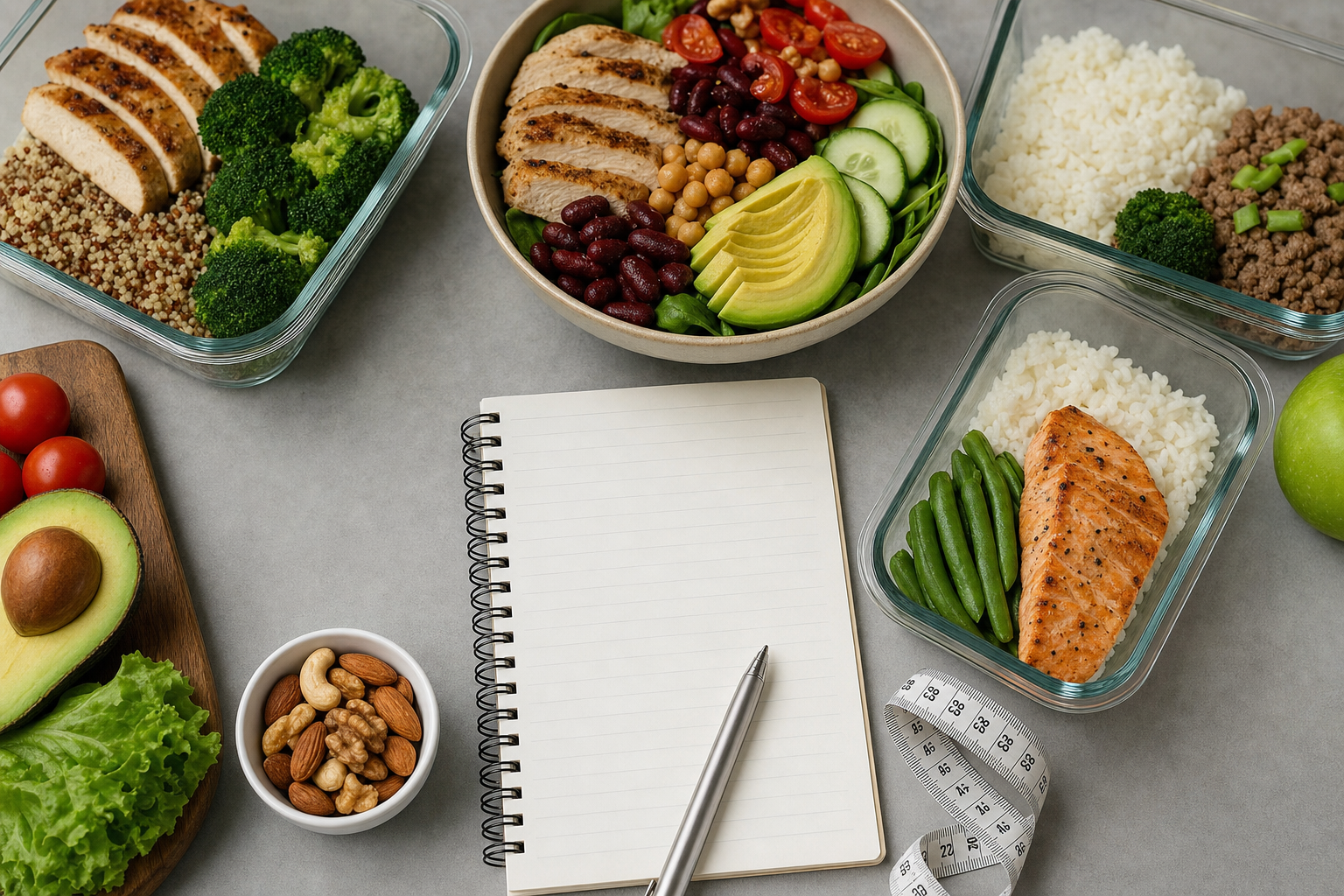
Below is a sample meal plan designed to help you achieve a calorie deficit while meeting your nutritional needs:
| Meal | Food | Calories | Macros |
|---|---|---|---|
| Breakfast | Oatmeal with Berries and Almonds | 350 | Protein: 10g, Fat: 12g, Carbs: 50g |
| Snack | Greek Yogurt with Honey | 150 | Protein: 15g, Fat: 0g, Carbs: 25g |
| Lunch | Grilled Chicken Salad with Avocado | 400 | Protein: 30g, Fat: 20g, Carbs: 30g |
| Snack | Hummus with Carrot Sticks | 100 | Protein: 3g, Fat: 5g, Carbs: 12g |
| Dinner | Baked Salmon with Quinoa and Broccoli | 500 | Protein: 40g, Fat: 20g, Carbs: 50g |
Pros and Cons of Meal Planning for Weight Loss
As with any nutritional strategy, meal planning has its benefits and challenges. Here’s a quick rundown:
- Pros:
- Provides structure and consistency.
- Helps control portion sizes and calorie intake.
- Reduces food waste and saves money.
- Enhances nutritional quality of meals.
- Cons:
- Requires time and effort to plan and prepare meals.
- Can become monotonous if not varied.
- May require adjustments based on individual preferences.
- Protein Powder: A convenient way to increase protein intake.
- Omega-3 Fatty Acids: Supports heart health and reduces inflammation.
- Multivitamins: Ensures adequate vitamin and mineral intake.
- Fiber Supplements: Aids in digestion and promotes satiety.
🛒 Recommended Products
Affiliate link — we earn a small commission at no extra cost to you.
Supplement Recommendations for Weight Loss
While whole foods should form the basis of your diet, certain supplements can support your weight loss journey. Here are some recommendations:
Setting Realistic Expectations
One of the most crucial aspects of meal planning for weight loss in 2026 is setting realistic expectations. Weight loss is a gradual process and varies from person to person. The recommended safe weight loss rate is about 1-2 pounds per week. Remember, the goal is to develop sustainable eating habits that support long-term health and wellness. For tips on maintaining weight loss after reaching your goals, read about The Perfect Meal Plan for Losing Weight After 60.
Conclusion
In 2026, meal planning for weight loss is more than just counting calories; it’s about nourishing your body with the right balance of macronutrients while enjoying a variety of foods. By creating a personalized meal plan, understanding the importance of a calorie deficit, and incorporating supplements wisely, you pave the way for a healthier and slimmer future. As always, consult with a healthcare professional before making significant dietary changes. Here’s to a successful and healthful weight loss journey!
“`
Frequently Asked Questions
What is meal planning for weight loss 2026?
Meal planning for weight loss 2026 involves strategically preparing meals in advance to control calorie intake, ensuring a balanced diet, and promoting healthy eating habits to achieve weight loss goals.
How can I create a calorie deficit through meal planning?
To create a calorie deficit, calculate your daily caloric needs, then plan meals that are lower in calories but high in nutrients, incorporating plenty of vegetables, lean proteins, and whole grains.
What are some top recipes for weight loss in 2026?
Some top recipes include quinoa salad with mixed vegetables, grilled chicken with steamed broccoli, and a smoothie with spinach, banana, and almond milk, all designed to be low in calories yet satisfying.
How do I stay motivated with meal planning for weight loss 2026?
Stay motivated by setting achievable goals, tracking your progress, and experimenting with new recipes to keep your meals exciting and aligned with your weight loss journey.
Can meal prepping save time while planning for weight loss?
Yes, meal prepping can save time by allowing you to prepare multiple meals at once, ensuring you have healthy options readily available and reducing the temptation to eat unhealthy foods.