
- Cardio is not the most efficient method for weight loss.
- Relying solely on cardio can lead to frustration.
- Exploring alternative weight loss strategies can be more effective.
- Understanding potential drawbacks of cardio can save time.
Stop Doing Cardio If You Want to Lose Weight — Here’s Why
When the topic of weight loss comes up, cardio exercise is often considered the gold standard. Yet, recent discoveries and expert opinions suggest that this long-held belief might not be as effective as once thought. Researchers have found that while cardio can contribute to a healthy lifestyle, it may not be the optimal method for shedding those pounds. If you’re committed to losing weight, it’s time to rethink your strategy.
The idea that cardio is the ultimate weight-loss tool has permeated fitness culture for decades. However, new insights indicate it might not be as efficient as we believe. Considering the potential drawbacks of relying solely on cardio for weight loss can save you time and frustration. Understanding why cardio might not be the weight-loss hero it’s touted to be is crucial for anyone serious about reaching their fitness goals.
In this article, we’ll dive into the science behind fat burning, explore recent studies that challenge cardio’s supremacy, and offer practical tips for a more effective weight-loss strategy. By the end, you’ll have a clear understanding of why shifting focus from cardio could be the key to unlocking your weight loss potential.
Why This Matters
Weight loss is a pressing concern for millions, and misinformation can hinder progress. The promise of weight loss through cardio is appealing because it’s straightforward and accessible. However, misconceptions about how the body burns calories can lead to inefficient workouts and stalled weight loss. Recognizing that cardio might not be as effective as believed is vital for anyone serious about sustainable weight loss.
A deeper understanding of calorie burning and fat loss can empower you to make informed decisions about your exercise routine. By questioning the role of cardio in weight loss, we uncover alternative strategies that could prove far more effective. This shift in perspective is essential for aligning fitness efforts with actual results.
Moreover, as the fitness industry continues to evolve, staying updated with the latest research ensures that individuals aren’t wasting time on outdated methods. Prioritizing effectiveness over tradition is crucial for achieving and maintaining a healthy weight.
Deep Dive
Cardio, short for cardiovascular exercise, involves activities that increase your heart rate, such as running, cycling, and swimming. While these activities are beneficial for cardiovascular health, recent research highlights that they might not be the most efficient for fat loss. A 2023 study published in the journal Obesity found that participants who focused on strength training rather than cardio lost more body fat over a 12-week period.
One reason cardio may not be as effective is the concept of afterburn, or excess post-exercise oxygen consumption (EPOC). While cardio burns calories during the activity, strength training has been shown to increase EPOC, meaning you continue to burn calories long after the workout is over. This makes strength training a potent tool for weight loss, as it boosts metabolism and enhances fat burning even while at rest.
Furthermore, the body tends to adapt to steady-state cardio, reducing its effectiveness over time. This adaptation means you’ll need to increase the intensity or duration of cardio workouts continually to see the same results, which isn’t sustainable for most people. Conversely, mixing in strength training or high-intensity interval training (HIIT) can prevent this plateau and keep your body responsive.
Case Study / Data
Consider the findings from the National Health and Nutrition Examination Survey (NHANES), which analyzed the effects of different exercise regimens on weight loss. Participants who focused solely on cardio lost weight initially but struggled to maintain the loss over a year. Those who incorporated strength training not only lost more weight but were also more successful at keeping it off.
Similarly, a meta-analysis from the American Journal of Clinical Nutrition reviewed 13 studies comparing weight loss results from cardio versus strength training. The analysis revealed that strength training participants had a greater reduction in visceral fat, which is linked to various health risks.
Another compelling example comes from a study in the European Journal of Applied Physiology, which found that HIIT led to more significant fat loss in less time compared to traditional cardio routines. Participants who engaged in HIIT sessions lost 28% more fat than those doing steady-state cardio, demonstrating the efficiency of burst training.
Comparison Table
| Method | Initial Weight Loss | Long-term Maintenance | Metabolic Impact |
|---|---|---|---|
| Cardio | Moderate | Low | Minimal |
| Strength Training | High | High | Significant |
| HIIT | Very High | Moderate | Significant |

Practical Tips
If you’re ready to incorporate strength training and HIIT into your weight-loss regimen, start by setting clear, achievable goals. Begin with bodyweight exercises like push-ups and squats if you’re new to strength training. As you build strength, gradually incorporate weights to continue challenging your muscles. Aim for two to three strength training sessions per week.
For HIIT, consider routines that include short bursts of high-intensity exercises followed by rest or low-intensity periods. A simple example is sprinting for 30 seconds followed by 90 seconds of walking. Repeat this cycle for 15-20 minutes, twice a week for optimal results. Adjust the intensity and duration to fit your fitness level and goals.
Nutrition also plays a crucial role in your success. Pair your workouts with a balanced diet rich in proteins and healthy fats to fuel muscle growth and recovery. Consider using a fitness tracker to monitor your progress and ensure you’re staying on track with your goals.

Conclusion
Rethinking the role of cardio in your weight-loss journey could be the game-changing insight you need. While cardio offers benefits, it’s not the ultimate solution for losing weight. Combining strength training and HIIT with a nutritious diet can lead to better, more sustainable results. By focusing on methods that enhance your metabolism and promote long-term health, you’re more likely to achieve and maintain your weight-loss goals.
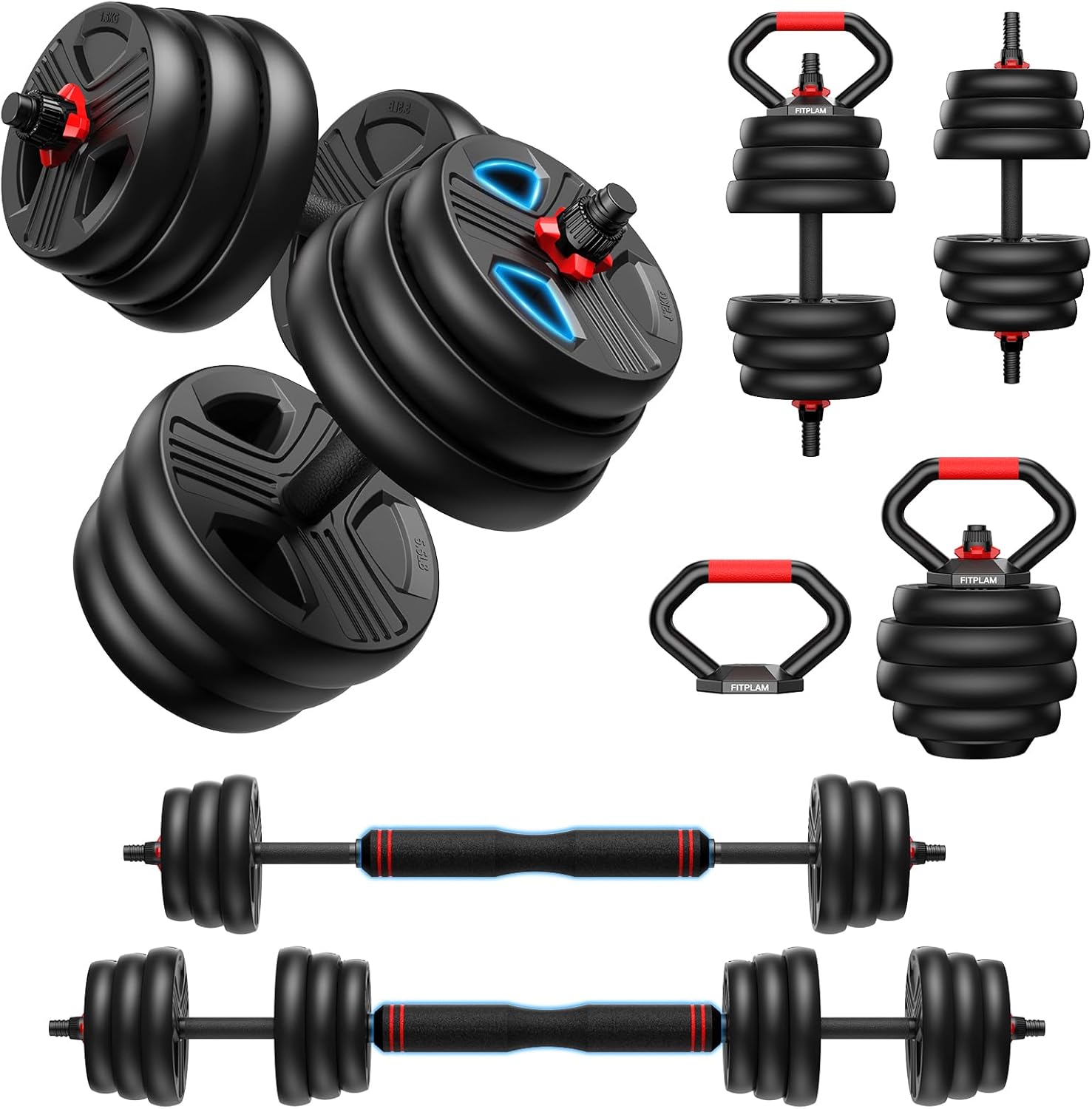
For those looking for additional guidance, there are various resources and tools available to support your journey. Products like adjustable dumbbells, resistance bands, and HIIT workout apps can be valuable assets. Incorporating these tools into your routine can make your workouts more effective and enjoyable.
Frequently Asked Questions
Meal Prep & Supplement Essentials
Disclosure: This post contains affiliate links. We may earn a commission at no extra cost to you.