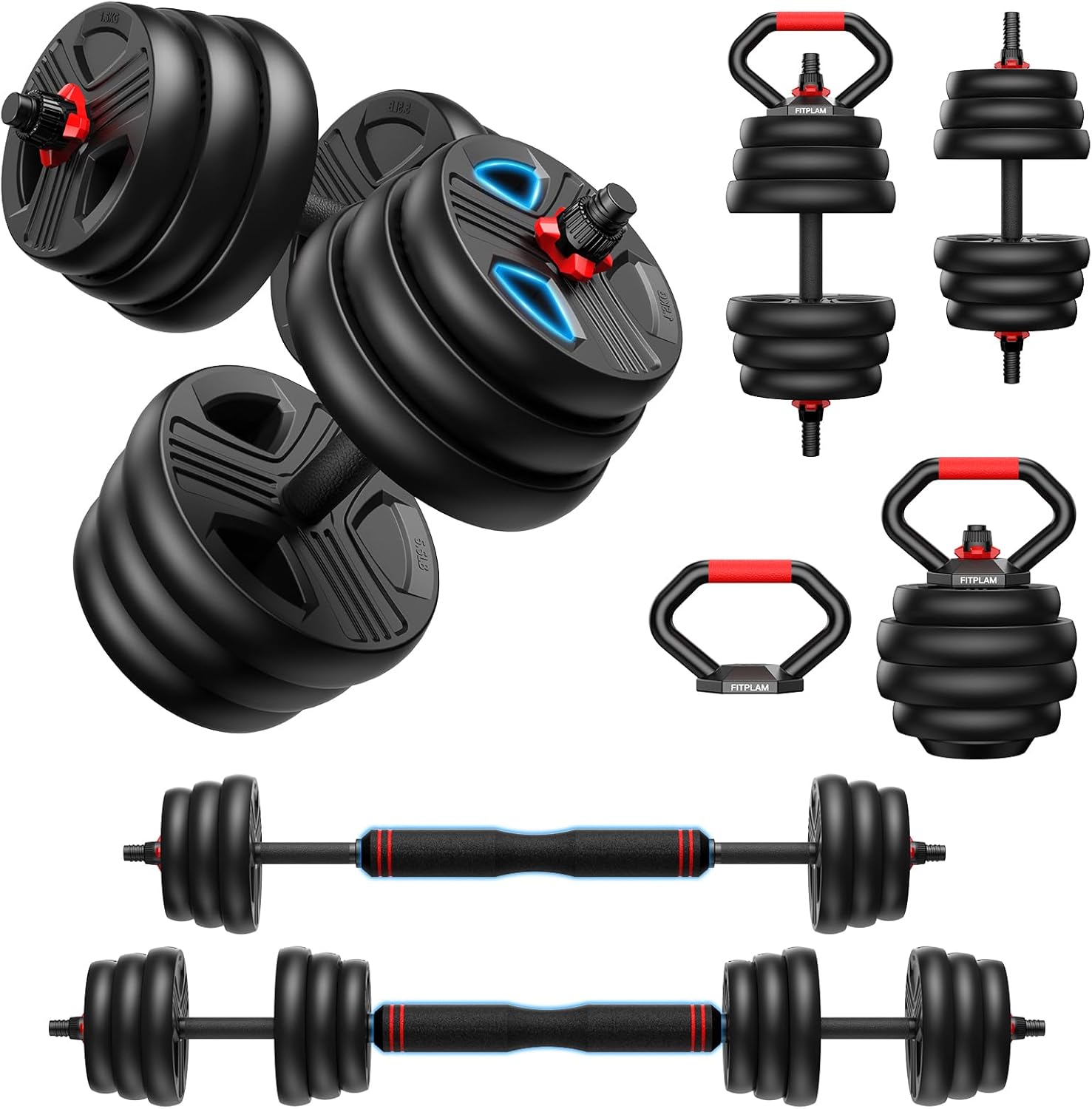

- Understanding calorie deficits is essential for effective weight loss.
- Rapid weight loss methods may not be safe or sustainable.
- A balanced approach to meal planning supports long-term success.
- Prioritizing health over quick results leads to sustainable habits.
How to Lose Weight Safely: A Practical Guide to Sustainable Weight Loss
Given the surge of interest in rapid weight loss and strict calorie diets, it’s crucial to approach weight loss with both caution and strategy. Many are curious about the risks and realities of consuming 1,200 calories a day, or dropping significant pounds in a short period. While the idea of quick results is appealing, it’s essential to evaluate whether such methods are safe and sustainable. This guide delves into practical and safe ways to achieve weight loss goals without compromising your health.
What Readers Need to Know About Calorie Deficits
Understanding the concept of a calorie deficit is key to any weight loss journey. A calorie deficit occurs when you consume fewer calories than your body expends, leading to weight loss. However, the specifics of how much of a deficit you should aim for can vary depending on individual factors like age, gender, activity level, and overall health.
Establishing a calorie deficit safely involves more than just cutting calories drastically. While a 1,200-calorie diet is often touted for quick weight loss, it may not be suitable for everyone. Such a low intake can potentially deprive you of essential nutrients and energy needed for daily functions.
Consulting a healthcare professional before embarking on a calorie-deficit diet can help tailor a plan that meets your specific needs, ensuring it’s both effective and safe. Remember, the goal is to create a sustainable lifestyle change, not just a temporary fix.
Deep Dive: Sustainable Weight Loss Strategies
Balanced Diet
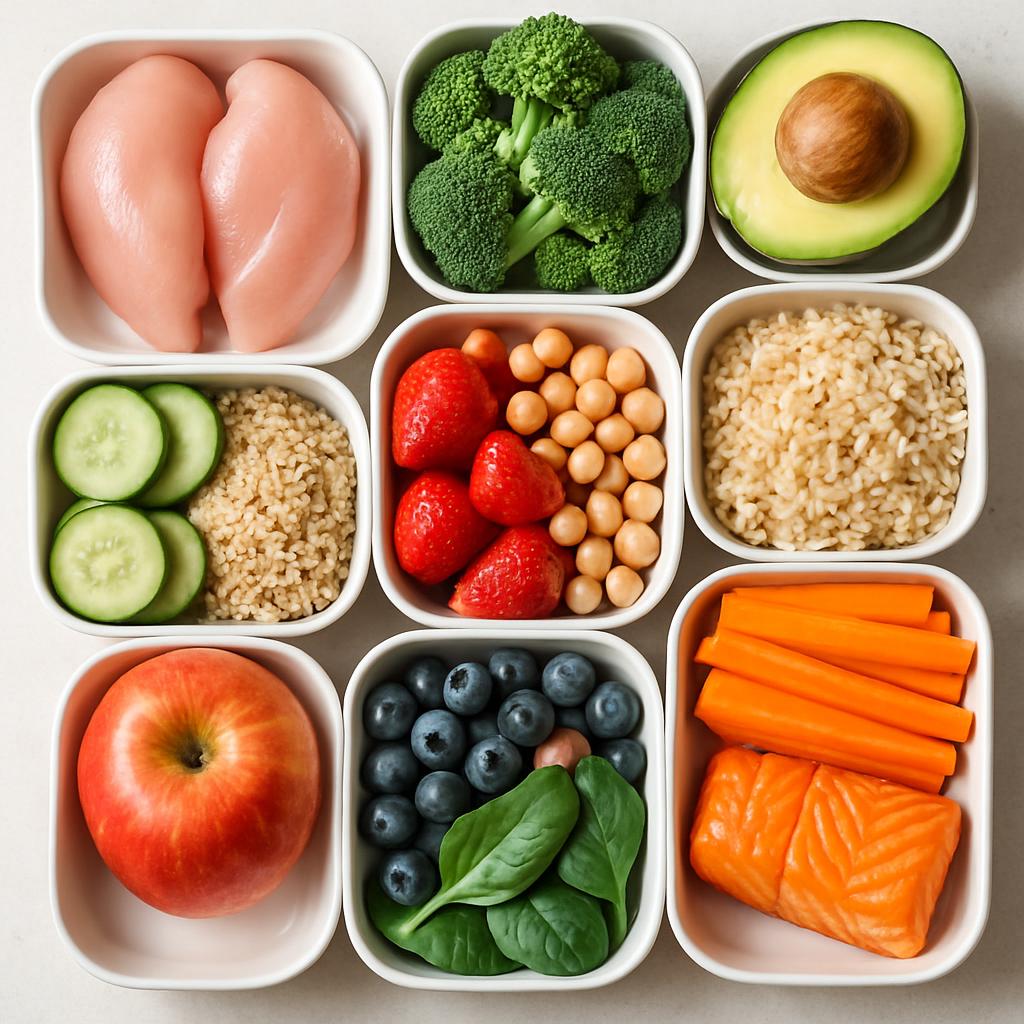
A balanced diet is fundamental to sustainable weight loss. This means incorporating a variety of food groups that include proteins, carbohydrates, and healthy fats. Proteins, for instance, are crucial as they help preserve muscle mass during weight loss and promote satiety. Including lean meats, beans, tofu, or low-fat dairy can be beneficial.
Carbohydrates, particularly those high in fiber such as whole grains, vegetables, and fruits, should not be overlooked. They provide energy and fiber, aiding in digestive health. Healthy fats found in avocados, nuts, and olive oil are also important for brain health and hormone production.
Regular Physical Activity
Combining a healthy diet with regular physical activity maximizes weight loss efforts. Engaging in physical activities like walking, cycling, or swimming helps burn extra calories and boosts metabolism. It’s advisable to aim for at least 150 minutes of moderate-intensity aerobic activity per week.
Strength training exercises are also beneficial as they build muscle mass, which can increase your resting metabolic rate. Incorporating a mix of aerobic and strength-training exercises can lead to more effective and sustained weight loss.
Evidence and Real-World Context
Numerous studies have highlighted the risks associated with rapid weight loss. While losing 30 pounds in 3 months might seem appealing, it often results in muscle loss, nutritional deficiencies, and a slower metabolism. Moreover, such rapid weight loss often leads to rebound weight gain when normal eating resumes.
According to experts, a healthy weight loss is about 1 to 2 pounds per week. This gradual approach helps ensure that the weight loss is from fat rather than muscle, and it gives the body time to adjust to dietary changes, reducing the likelihood of weight regain.
Moreover, a diet set too low in calories, such as the 1,200-calorie diet, can be detrimental, especially for adults needing more energy for daily activities. It is crucial to personalize dietary plans to ensure they provide adequate nutrition alongside a calorie deficit.
Comparison Table: Sustainable vs. Rapid Weight Loss
| Aspect | Sustainable Weight Loss | Rapid Weight Loss |
|---|---|---|
| Pace of Weight Loss | 1-2 pounds per week | 5+ pounds per week |
| Nutritional Sufficiency | Balanced diet with all nutrients | Risk of nutrient deficiency |
| Long-term Success | Higher probability | Lower probability |
| Impact on Metabolism | Preserved or enhanced | Possible reduction |
Practical Checklist for Starting a Sustainable Weight Loss Plan
- Consult a Professional: Before starting, seek advice from a healthcare provider or registered dietitian to tailor a plan suited to your needs.
- Set Realistic Goals: Aim for 1-2 pounds of weight loss per week. This slow but steady approach is more sustainable.
- Create a Balanced Meal Plan: Ensure your meals include a balance of proteins, carbs, and healthy fats.
- Incorporate Physical Activity: Aim for at least 150 minutes of moderate exercise weekly, including both cardio and strength training.
- Monitor Progress: Track your food intake and physical activity to stay on course and make adjustments as needed.
- Stay Hydrated: Drink plenty of water throughout the day to support metabolic processes and overall health.
- Adjust as Necessary: If you encounter a plateau, you may need to reassess your plan and adjust your calorie intake or activity levels.
Conclusion
While the allure of rapid weight loss is understandable, embracing a sustainable approach ensures better health outcomes and long-term success. By focusing on gradual weight loss through a balanced diet and regular physical activity, you can achieve your weight goals safely and effectively. Always prioritize your health by consulting professionals and tailoring your plan to suit your personal needs. Remember, the journey is just as important as the destination.

Smart Product Mention
For those seeking to simplify their meal planning, consider using a digital meal planning service. These tools can offer personalized meal plans, grocery lists, and nutrition tracking to help you stay on track with your weight loss goals.
Frequently Asked Questions
Meal Prep & Supplement Essentials
Disclosure: This post contains affiliate links. We may earn a commission at no extra cost to you.