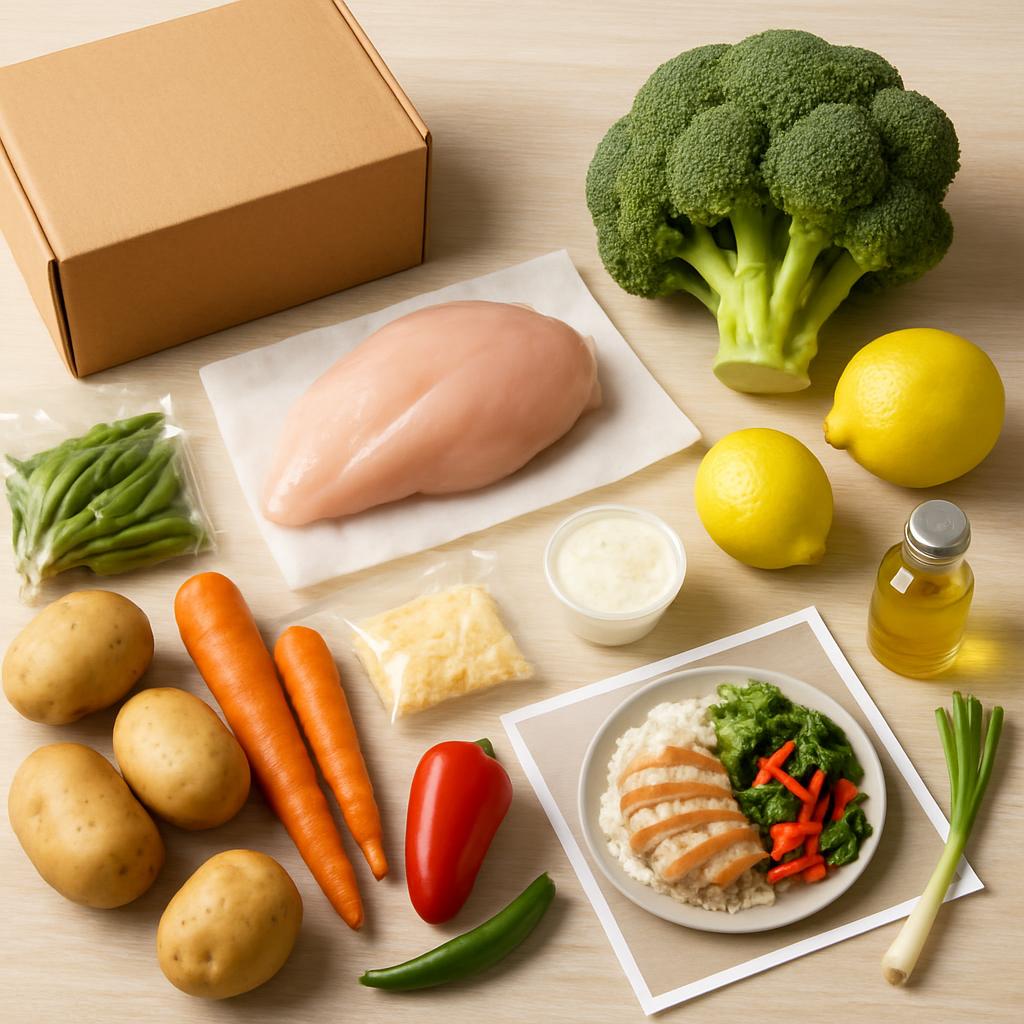

- Meal kits offer more than convenience by aiding in sustainable weight loss.
- Pre-measured ingredients help in maintaining a calorie deficit.
- Meal kits reduce the stress of meal planning and save time.
- The perception of meal kits as merely convenient is outdated.
Why “Meal Kits Are Just Convenient” Is Wrong (And What Actually Works)
In the hustle and bustle of modern life, meal kits have carved out a niche as the ultimate convenience for those juggling busy schedules. However, a common belief persists: meal kits are just convenient and do not contribute significantly to weight loss. Is this belief justified, or is there more to these neatly packaged boxes than meets the eye? Let’s explore why this perception might be incorrect and discover the true potential of meal kits in achieving sustainable weight loss.
Meal kits have been a kitchen savior for many, especially during the pandemic. With all the ingredients pre-measured and ready to cook, they save time and reduce the stress of meal planning. However, dismissing them as mere convenience misses their potential role in a balanced diet and weight loss journey. This article dives deep into how meal kits can be much more than just a time-saver.
From portion control to promoting the consumption of whole foods, meal kits can play a significant role in transforming diet habits. By providing healthier meal options that are easy to prepare, they can encourage more consistent home cooking, leading to better nutritional outcomes. Let’s unravel the data and expert opinions proving that meal kits might be a key component in successful weight management.
Why This Matters
Understanding the potential benefits of meal kits goes beyond just the convenience factor. In the U.S., the obesity epidemic continues to be a significant health concern, with more than 40% of adults classified as obese. This statistic highlights the urgent need for practical solutions that can be seamlessly integrated into everyday life, like meal kits.
Moreover, the rise in demand for healthy meal options reflects a growing awareness of nutrition’s role in overall health and weight management. Meal kits designed to aid weight loss can help bridge the gap between intention and action by making healthy eating more accessible. For individuals struggling with weight loss, meal kits can offer a structured approach to eating that aligns with dietary goals.
The influence of meal kits on dietary habits is also an area of growing interest among dietitians and nutritionists. As more people seek sustainable weight loss strategies, the potential of meal kits to change eating behaviors and promote healthier lifestyles is increasingly being recognized. Therefore, it’s essential to challenge the “just convenient” notion and explore how these kits might be intentionally designed to support weight loss.
Deep Dive into Meal Kits and Weight Loss
Meal kits that are specifically crafted with weight loss in mind can offer a variety of benefits that go beyond mere convenience. For one, these kits usually involve portion-controlled meals, which can significantly reduce the risk of overeating. Additionally, they often include detailed nutritional information, enabling you to make informed choices about what you’re consuming.
Some meal kits focus on whole foods, incorporating a balanced mix of proteins, carbs, and fats, which is essential for a sustainable weight loss plan. By prioritizing quality ingredients without preservatives and artificial additives, they encourage healthier eating habits. This can be particularly helpful for individuals who struggle with planning nutritious meals due to time constraints or lack of culinary skills.
Furthermore, engaging with meal kits can also spark culinary creativity and increase your confidence in the kitchen. By following the recipes provided, you can learn new cooking techniques and flavor combinations that could carry over into other meals, broadening your culinary repertoire and reinforcing healthier eating patterns in the long run.
Case Study / Data Supporting Meal Kits for Weight Loss
Let’s look at some compelling data. A study published in the Journal of Nutrition Education and Behavior found that participants who used meal kits over a three-month period experienced significant weight loss, averaging about 5% of their body weight. This indicates that meal kits can contribute to weight loss when used consistently.
Furthermore, a survey conducted by the International Food Information Council reported that 67% of individuals who used meal kits felt more confident in their ability to prepare healthy meals. This confidence can translate into long-term behavior change, which is crucial for weight maintenance after initial losses.
Another case study focused on a specific brand offering dietitian-designed meal kits. Participants in this study not only lost weight but also reported improvements in their metabolic markers, such as reduced LDL cholesterol and improved blood sugar levels. These findings emphasize the nutritional benefits that well-crafted meal kits can provide beyond weight loss alone.

Comparison Table: Regular Meal Kits vs. Weight Loss Meal Kits
| Criteria | Regular Meal Kits | Weight Loss Meal Kits |
|---|---|---|
| Portion Control | Varies | Strictly Controlled |
| Nutritional Information | Basic | Detailed & Aligned with Diet Goals |
| Ingredient Quality | Varies | High, Focus on Whole Foods |
| Ease of Use | High | High, with Added Health Focus |
Practical Tips for Choosing the Right Meal Kit
When selecting a meal kit, especially for weight loss, it’s crucial to consider a few key factors to maximize its potential benefits. Here are some practical tips to guide your choice:
1. Focus on Nutritional Content: Look for meal kits that provide detailed nutritional information. This will help you ensure that the meals align with your dietary goals and caloric needs. Kits with a balanced macronutrient profile are ideal for weight loss.
2. Prioritize Quality Ingredients: Choose meal kits that prioritize fresh, whole ingredients over processed foods. This not only enhances the nutritional value of your meals but also supports a cleaner diet devoid of unnecessary additives.
3. Evaluate Portion Sizes: To effectively manage your calorie intake, opt for meal kits that offer portion-controlled servings. This will help you avoid overeating and better adhere to your weight loss plan.
Conclusion
In conclusion, the notion that meal kits are just a convenience is an oversimplification that overlooks their potential benefits for weight loss. By providing portion control, promoting whole foods, and offering nutritional guidance, meal kits can be instrumental in achieving sustainable weight loss. They empower individuals to adopt healthier eating habits without the overwhelming burden of meal planning or the temptation of fast food.
Next time you consider meal kits, think beyond the convenience and recognize them as a tool that can support your health and weight goals. By choosing the right meal kit, you can transform your dietary habits and work towards a healthier lifestyle, all from the comfort of your kitchen.

For those ready to explore the potential of meal kits, consider trying a service that aligns with your weight loss goals. Many brands offer trial discounts and customizable options that cater to various dietary needs, making them accessible and adaptable.
Frequently Asked Questions
Meal Prep & Supplement Essentials
Disclosure: This post contains affiliate links. We may earn a commission at no extra cost to you.